Category: Nylon Bags

  • Customizing Nylon Bags for Personal Use

    Customizing Nylon Bags for Personal Use

    Customizing nylon bags for personal use is a fantastic way to create a unique accessory that reflects your individual style and needs. With their durability and versatility, nylon bags are perfect for personalization, whether you’re looking to make a fashion statement or enhance functionality. In this post, we’ll delve into various methods for customizing nylon bags, including design options, tools, and techniques to help you create a one-of-a-kind accessory.
    Choosing Your Customization Method

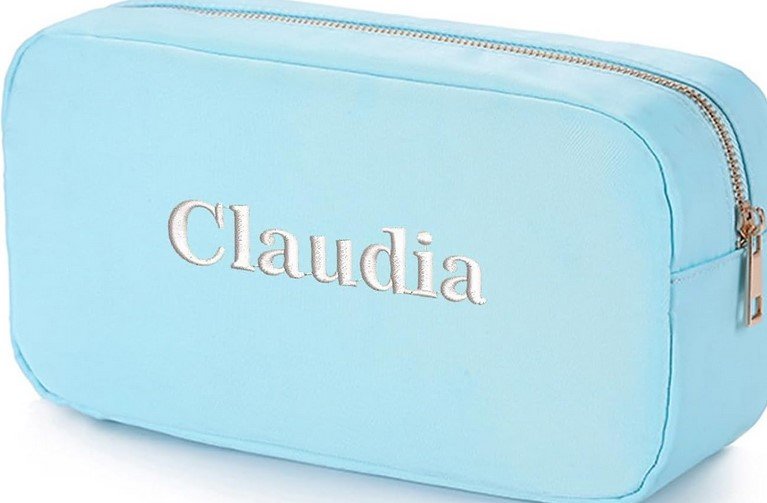
    When customizing nylon bags for personal use, the first step is to choose your preferred customization method. Options include fabric painting, embroidery, and appliqué. Fabric painting allows for detailed, colorful designs and can be used to create intricate patterns or artwork. For a more textured look, embroidery adds a touch of elegance and can be used for monograms or decorative motifs. Appliqué involves sewing or ironing on fabric pieces to create unique shapes or designs. Each method offers different advantages, so consider your design vision and the bag’s intended use when selecting the best approach.

    Selecting the Right Materials and Tools

    To effectively customize nylon bags for personal use, selecting the right materials and tools is essential. For fabric painting, choose high-quality, fabric-specific paints that adhere well to nylon and resist fading. Brushes, sponges, and stencils can help achieve precise designs and patterns. For embroidery, use strong, colorfast threads and a needle suitable for nylon fabric. If you’re opting for appliqué, select fabric pieces that complement your nylon bag and use fabric adhesive or a sewing machine for secure application. Investing in quality materials and tools ensures a professional finish and enhances the durability of your customized bag.

    Designing Your Custom Bag

    Designing your custom nylon bag involves planning and creativity. Start by sketching your design ideas to visualize how they will appear on the bag. Consider elements such as colors, patterns, and placement to ensure a cohesive look. For example, you might choose a bold graphic design for a casual look or a subtle monogram for a more elegant touch. Additionally, think about the functionality of the bag and how the customization might impact its use. Designing with both aesthetics and practicality in mind ensures that your personalized nylon bag is both stylish and functional.

    Applying Your Custom Design

    Applying your custom design to the nylon bag requires careful execution to achieve the best results. For fabric painting, use a steady hand and work in layers to build up the design. Allow each layer to dry before applying additional coats to prevent smudging. When embroidering, follow your design template and ensure that stitches are even and secure. For appliqué, carefully position the fabric pieces and press or sew them in place to avoid lifting or peeling. Take your time with each step to ensure that the final design is clean and professionally finished.

    Maintaining and Caring for Your Custom Bag

    Once your nylon bag is customized, proper maintenance and care are crucial to preserving your design. Follow the care instructions specific to the customization method used. For example, hand wash the bag in cold water with mild detergent to prevent damage to painted or embroidered designs. Avoid using harsh chemicals or abrasive cleaners that could affect the customization. Additionally, store the bag in a cool, dry place to protect it from sunlight and moisture. By caring for your custom nylon bag properly, you can ensure that your unique design remains vibrant and intact over time.

    Conclusion

    In conclusion, customizing nylon bags for personal use allows you to create a unique accessory that reflects your individual style and needs. By selecting the right customization method, materials, and tools, and carefully applying your design, you can transform a standard nylon bag into a personalized statement piece. Proper maintenance and care further ensure that your custom bag remains a cherished accessory for years to come. Embrace the creative process to enjoy a one-of-a-kind nylon bag that perfectly suits your personal taste and functionality requirements.
  • How To Clean And Maintain Nylon Bags

    How To Clean And Maintain Nylon Bags

    Nylon bags are popular for their durability and style. However, to keep them looking their best, it’s important to know how to clean and maintain nylon bags properly. If you want your nylon bags to stay fresh and in good shape, follow these simple steps.

    How To Clean And Maintain Nylon Bags

    Cleaning Your Nylon Bags

    To start, you need to clean your nylon bags regularly. First, check the care label on your bag. This label usually gives instructions on how to clean the bag. Most nylon bags can be cleaned with mild soap and water.

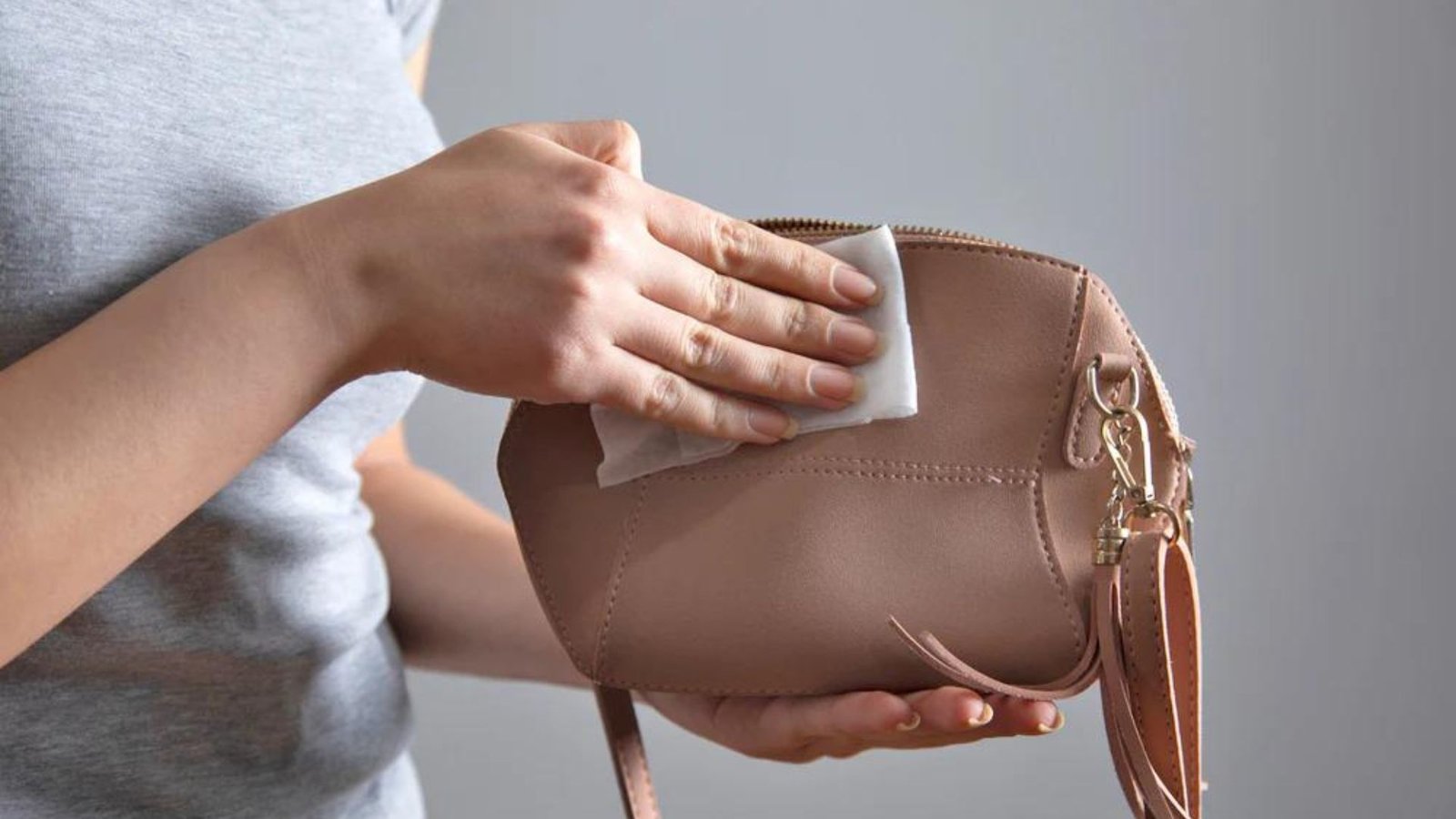
    Start by shaking out any loose dirt or debris. After that, use a soft brush to remove any remaining particles. Then, mix a small amount of mild detergent with warm water. Dip a clean cloth into the soapy water, wring it out, and gently wipe the bag. Make sure not to soak the bag, as too much water can damage the fabric.

    For stubborn stains, you may need a slightly stronger cleaner. However, always test the cleaner on a small, hidden area first to ensure it doesn’t damage the nylon. Once the stain is gone, wipe the area with a damp cloth to remove any soap residue.

    Drying Your Nylon Bags

    After cleaning, it’s time to dry your nylon bags. First, blot the bag with a dry cloth to remove excess water. Avoid using a hairdryer or placing the bag in direct sunlight as high heat can damage the nylon. Instead, let the bag air dry in a well-ventilated area. This process can take a few hours, but it’s the best way to ensure your bag stays in great condition.

    Maintaining Your Nylon Bags

    Maintaining your nylon bags involves more than just cleaning them. To keep them looking new, you should store them properly. When you’re not using your bag, keep it in a cool, dry place. Avoid storing it in damp or humid areas, as moisture can lead to mold or mildew growth.

    Additionally, be mindful of how you use your nylon bags. Avoid overloading them with heavy items. Excess weight can stretch the fabric and cause damage over time. If your bag has any metal or plastic parts, make sure they are not scratched or bent. Regularly check the bag for any signs of wear and tear. Fixing small issues early can prevent bigger problems later.

    Additional Tips for Nylon Bags

    Here are a few more tips for how to clean and maintain nylon bags effectively. If your bag is machine washable, you can follow the washing instructions on the care label. Usually, you should place the bag in a mesh laundry bag to protect it during washing. Use a gentle cycle with cold water and mild detergent.

    For added protection, you might consider using a fabric protector spray designed for nylon. This can help repel dirt and water, keeping your bag looking cleaner for longer. However, always test the spray on a small area first.

    Conclusion

    In summary, knowing how to clean and maintain nylon bags is essential for keeping them in good condition. Start with regular cleaning using mild soap and water, and be sure to dry the bag thoroughly. Proper storage and mindful usage will also help extend the life of your nylon bags. With these tips, your nylon bags can remain stylish and durable for years to come.

  • Are Nylon Bags Waterproof And Durable?

    Are Nylon Bags Waterproof And Durable?

    Nylon bags are a popular choice for many applications due to their durability and versatility. However, questions often arise about their waterproof capabilities and overall durability. In this article, we’ll explore the characteristics of nylon bags, including their water resistance, durability, and the factors that affect their performance.

    Are Nylon Bags Waterproof And Durable?

    Understanding Nylon Bags

    Nylon is a synthetic fabric known for its strength and flexibility. It is commonly used in various products, including bags, due to its excellent properties. Here’s a closer look at what makes nylon bags stand out:

    Water Resistance vs. Waterproof

    First, it’s important to distinguish between water resistance and waterproof qualities. Nylon bags are often water-resistant but not entirely waterproof. Water resistance means that the bag can repel water to some extent, but it might not withstand heavy or prolonged exposure to moisture.

    Water-Resistant Properties

    Nylon’s water resistance comes from its tightly woven fibers, which help prevent water from penetrating easily. Many nylon bags are treated with a water-repellent coating or finish, enhancing their ability to resist moisture. This makes them suitable for everyday use and light rain, but they might not be ideal for extreme wet conditions.

    Waterproofing Treatments

    For nylon bags to be fully waterproof, they need additional treatments or linings. Waterproof nylon bags often have special coatings or laminations that prevent water from seeping through. These bags are designed for more demanding conditions, such as heavy rain or submerged environments. If you need a bag for such conditions, look for those specifically labeled as waterproof.

    Durability of Nylon Bags

    Nylon bags are known for their durability and resistance to wear and tear. Here’s how nylon performs in terms of durability:

    Strength and Longevity

    Nylon is a strong and resilient material, which makes it highly durable for various applications. It is resistant to stretching and tearing, which ensures that nylon bags can handle heavy loads and rough use without easily getting damaged.

    Abrasion Resistance

    Nylon has good abrasion resistance, meaning it can withstand friction and repeated rubbing. This property helps nylon bags maintain their integrity even when used frequently or dragged across rough surfaces.

    UV and Weather Resistance

    While nylon is durable, it can be susceptible to UV damage over time. Prolonged exposure to sunlight can weaken the fabric and cause fading. To extend the life of your nylon bag, try to minimize its exposure to direct sunlight and store it in a cool, dry place when not in use.

    Factors Affecting Performance

    Several factors can influence the performance of nylon bags in terms of water resistance and durability:

    Fabric Quality

    The quality of nylon fabric can vary, affecting its overall performance. Higher-quality nylon fabrics with better weaves and coatings will generally offer improved water resistance and durability. When choosing a nylon bag, consider the fabric’s thickness and any additional treatments it may have received.

    Construction and Design

    The construction and design of the bag play a significant role in its performance. Bags with reinforced seams, sturdy zippers, and well-constructed handles will generally be more durable and better at resisting water. Additionally, waterproof bags often feature sealed seams and water-resistant zippers to enhance their protective capabilities.

    Maintenance and Care

    Proper maintenance can also impact the longevity of nylon bags. Regularly clean your bag according to the manufacturer’s instructions and avoid exposing it to harsh conditions whenever possible. Proper care helps preserve the fabric’s properties and extends the bag’s life.

    Choosing the Right Nylon Bag

    When selecting a nylon bag, consider the following factors to ensure it meets your needs:

    Purpose and Use

    Determine how you will use the bag and the level of water resistance required. For everyday use and light rain, a standard water-resistant nylon bag will suffice. If you need protection from heavy rain or submerged conditions, look for bags specifically designed with waterproof features.

    Quality and Features

    Invest in high-quality nylon bags with features that match your needs. Check for reinforced stitching, high-grade zippers, and any additional waterproof coatings. Quality bags tend to perform better and last longer, providing better value in the long run.

    Conclusion

    Nylon bags are generally durable and offer good water resistance but may not be entirely waterproof without additional treatments. Their strength and flexibility make them suitable for a wide range of uses, from everyday activities to more demanding conditions. When choosing a nylon bag, consider its intended use, the quality of the fabric, and any additional features that enhance its water resistance and durability. By selecting the right bag and caring for it properly, you can enjoy the benefits of nylon’s robust performance.