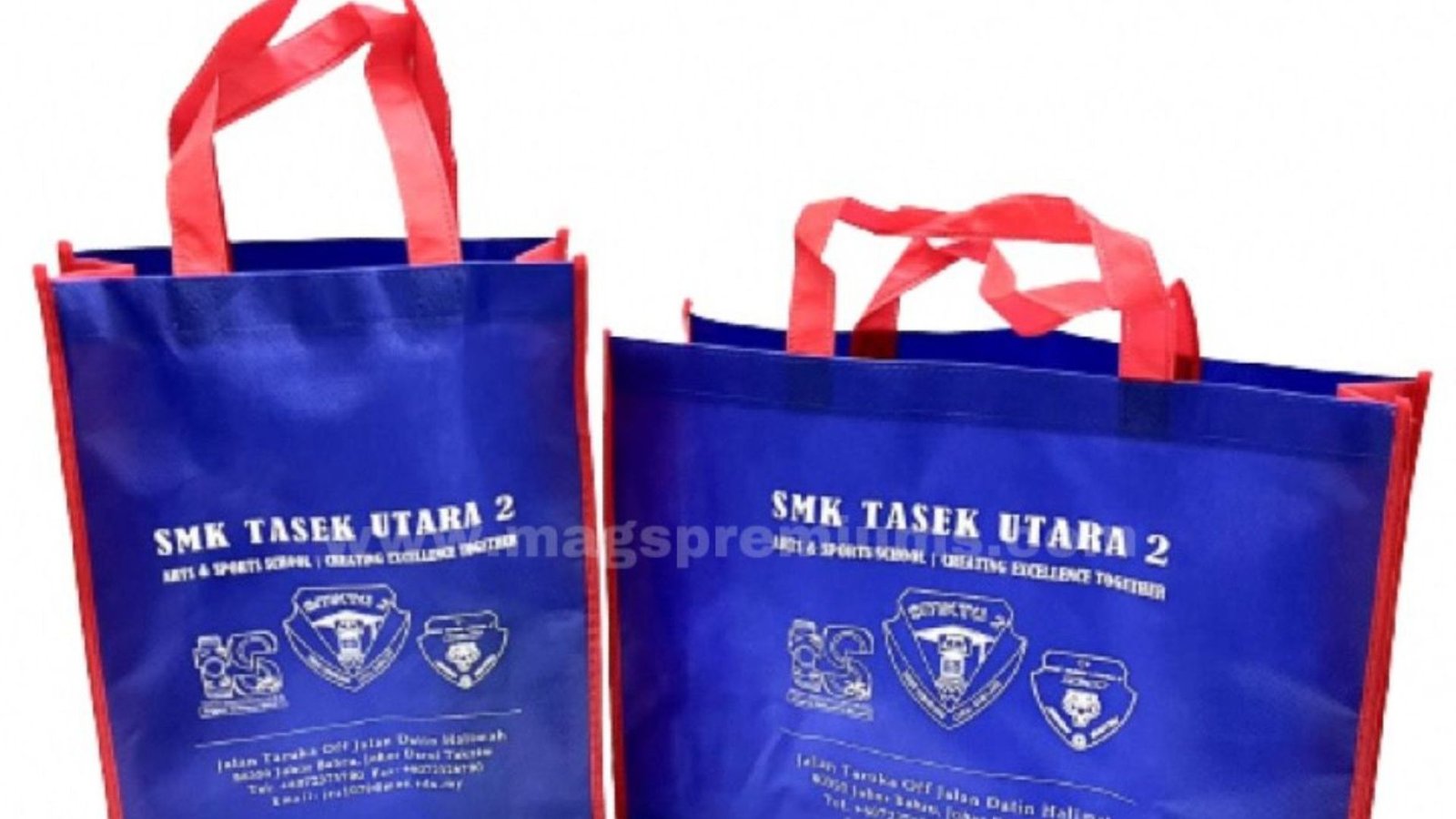
Category: non-woven bags

  • Customizing Your Own Non-Woven Bags

    Customizing Your Own Non-Woven Bags

    Customizing your own non-woven bags is a fun and creative way to make something special. Whether you want to promote your brand or just create a unique bag for yourself, non-woven bags are a great option. In this post, we will discuss how you can easily customize your own non-woven bags at home.

    Customizing Your Own Non-Woven Bags

    Why Choose Non-Woven Bags?

    First of all, non-woven bags are popular because they are reusable, lightweight, and eco-friendly. Unlike plastic bags, non-woven bags are made from materials that can be recycled. This means they are better for the environment. Plus, they come in many colors and sizes, making them easy to customize.

    How to Customize Your Own Non-Woven Bags

    Step 1: Choose Your Design

    Before you start, think about the design you want on your non-woven bag. Do you want a simple logo, a funny quote, or a detailed picture? If you’re customizing your own non-woven bags for a business, you might want to add your company logo. On the other hand, if you’re making a gift, you could add the person’s name or a personal message.

    Step 2: Prepare Your Bag

    Next, lay your non-woven bag on a flat surface. It’s important to make sure the bag is smooth, so your design doesn’t come out crooked. You can place a piece of cardboard inside the bag to make it easier to work on. This also prevents the paint or markers from bleeding through to the other side.

    Step 3: Start Customizing

    Now comes the fun part—customizing your own non-woven bags! If you’re using fabric paint, dip your brush into the paint and carefully apply it to the bag. If you’re using stencils, hold them firmly against the bag and paint over them. You can also use fabric markers to draw directly on the bag. Take your time, and remember, it’s okay if it’s not perfect. Handmade items always have a special charm.

    Step 4: Add Decorations

    After you’ve finished painting or drawing, you can add some decorations to make your bag even more special. For example, you can sew or glue on some buttons, patches, or even glitter. This step is optional, but it can add a lot of personality to your non-woven bag.

    Step 5: Let It Dry

    Once you’re done customizing your own non-woven bags, set them aside to dry. It’s important to let the paint dry completely before using the bag. This usually takes a few hours, but it’s best to let it dry overnight to be safe.

    Benefits of Customizing Your Own Non-Woven Bags

    Express Your Creativity

    Now that you know how to customize your own non-woven bags, let’s talk about the benefits. First, customizing your own non-woven bags is a great way to express your creativity. You can create a design that is truly unique, reflecting your personality or brand.

    Promote Your Brand

    Moreover, customized non-woven bags are great for businesses. They are a cost-effective way to promote your brand. When people use your bag, they are essentially advertising your business. Plus, customers love receiving something unique and personalized.

    Perfect for Gifts

    Another benefit is that customized non-woven bags make great gifts. Because they are reusable and durable, they are a gift that keeps on giving. You can make one for a friend or family member, and they will think of you every time they use it.

    Conclusion

    Customizing your own non-woven bags is easy, fun, and rewarding. Whether you’re doing it for business, as a gift, or just for yourself, the process is simple and the results are always special. By following these steps, you can create a bag that is both unique and environmentally friendly. So why wait? Start customizing your own non-woven bags today and see just how creative you can be!
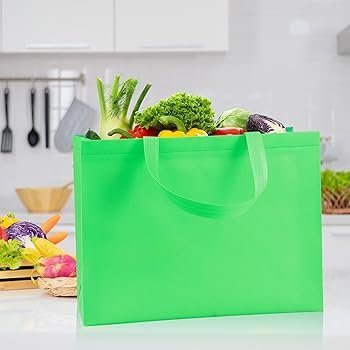
  • Are Non-Woven Bags Really Sustainable?

    Are Non-Woven Bags Really Sustainable?

    In recent years, non-woven bags have become popular as an alternative to plastic bags. They are praised for their durability and eco-friendliness. However, when considering whether non-woven bags are really sustainable, it’s important to examine their environmental impact, production processes, and overall benefits. Let’s delve into these aspects to find out if non-woven bags live up to their green reputation.

    1. Understanding Non-Woven Bags

    To determine if non-woven bags are truly sustainable, we first need to understand what they are. Non-woven bags are made from polypropylene, a type of plastic. Unlike woven fabrics, non-woven materials are created by bonding fibers together using heat, pressure, or adhesives.

    This manufacturing process allows non-woven bags to be both lightweight and durable. They are designed to be reusable and can often replace single-use plastic bags. However, the sustainability of these bags depends on several factors beyond just their initial design.

    2. Environmental Impact of Production

    When evaluating whether non-woven bags are really sustainable, the environmental impact of their production process is crucial. Polypropylene, the main material used, is derived from petrochemicals. This means that the production of non-woven bags involves the extraction and processing of fossil fuels, which contributes to greenhouse gas emissions.

    Additionally, the energy and resources required for manufacturing non-woven bags can be significant. While the production process itself is less pollutive than that of single-use plastic bags, it is not entirely free from environmental costs. Therefore, while non-woven bags have some advantages, their production is not without impact.

    3. Durability and Reusability

    One of the strongest arguments in favor of non-woven bags is their durability. Unlike plastic bags that can easily tear, non-woven bags are designed to withstand repeated use. This durability means that they can be used multiple times, reducing the need for single-use alternatives.

    This reusability is a key factor in assessing the sustainability of non-woven bags. By using the same bag for various purposes, consumers can significantly decrease their reliance on disposable items. Consequently, non-woven bags contribute to reducing overall waste and minimizing the environmental footprint associated with frequent bag replacements.

    4. Recycling and Disposal

    Another important aspect of sustainability is how non-woven bags are disposed of or recycled. Polypropylene is technically recyclable, but the recycling infrastructure for these materials is not as developed as for other plastics like PET. This means that while non-woven bags can be recycled, they often end up in landfills due to a lack of proper recycling facilities.

    To address this issue, some manufacturers are working to improve the recyclability of non-woven bags and promote recycling programs. However, the effectiveness of these efforts can vary depending on local waste management systems and consumer participation.

    5. Comparing to Alternatives

    When assessing the sustainability of non-woven bags, it’s helpful to compare them to other options. For example, reusable cloth bags, especially those made from organic cotton or hemp, often have a smaller environmental footprint compared to non-woven bags. They are typically made from renewable resources and can be composted at the end of their life cycle.

    On the other hand, single-use plastic bags have a much higher environmental impact due to their short lifespan and the fact that they often end up as litter. Therefore, while non-woven bags may not be the most sustainable option available, they are certainly a better choice compared to single-use plastics.

    6. Consumer Awareness and Responsibility

    Ultimately, the sustainability of non-woven bags also depends on consumer behavior. Proper care and use of these bags can significantly extend their lifespan and reduce their environmental impact. Additionally, consumers should be aware of the importance of recycling and strive to use bags in ways that maximize their utility and minimize waste.

    Conclusion

    In conclusion, while non-woven bags offer several environmental benefits over single-use plastic bags, their sustainability is not absolute. The production of non-woven bags involves the use of fossil fuels and resources, and their recyclability is still a work in progress. However, their durability and reusability provide significant advantages, reducing the need for disposable bags and contributing to lower overall waste.

    Ultimately, non-woven bags can be considered a more sustainable choice compared to single-use plastics, but they are not without their own environmental challenges. By combining their use with a commitment to recycling and exploring even more sustainable options, consumers can enhance their positive impact on the environment.

  • Durable Non-Woven Bags: Build Brand Loyalty

    Durable Non-Woven Bags: Build Brand Loyalty

    In today’s competitive market, building brand loyalty is more important than ever. Consumers are not just looking for great products—they want to connect with brands that share their values and offer something unique. One effective way to achieve this is by using durable non-woven bags as part of your branding strategy. These bags are not only practical and eco-friendly but also provide a lasting reminder of your brand. Let’s explore how durable non-woven bags can help you build and strengthen brand loyalty.

    Durable Non-Woven Bags Build Brand Loyalty
    Durable Non-Woven Bags Build Brand Loyalty

    1. Eco-Friendly Appeal

    One of the main reasons durable non-woven bags are so effective in building brand loyalty is their eco-friendly nature. As more consumers become environmentally conscious, they gravitate towards brands that prioritize sustainability. By offering durable non-woven bags, you demonstrate your commitment to reducing waste and promoting green practices.

    These bags are made from recyclable materials and can be reused countless times, significantly reducing the need for single-use plastic bags. When customers use your branded non-woven bags, they not only support a sustainable lifestyle but also align themselves with your brand’s values. This shared commitment to the environment fosters a deeper connection and loyalty to your brand.

    2. Practical and Long-Lasting

    Durability is another key factor that makes non-woven bags a smart choice for brand promotion. Unlike flimsy plastic bags that tear easily, durable non-woven bags are designed to withstand heavy use. Their strength and longevity mean that customers can use them repeatedly for shopping, traveling, or daily activities.

    This practicality ensures that your brand remains visible in your customers’ lives for a long time. Every time they use the bag, they are reminded of your brand, reinforcing their loyalty. Additionally, the more durable the bag, the more likely customers are to appreciate and trust the quality of your products or services.

    3. Customizable for Brand Identity

    Customizability is one of the greatest advantages of durable non-woven bags. You can easily tailor these bags to reflect your brand’s identity, making them a powerful marketing tool. Whether it’s your logo, slogan, or a unique design, non-woven bags offer ample space for creativity.

    A well-designed bag that stands out will not only catch the eye of your customers but also of those around them. This exposure turns your customers into brand ambassadors, spreading awareness and driving interest in your brand. The more attractive and unique the bag, the more it contributes to building brand loyalty by making customers feel proud to represent your brand.

    4. Cost-Effective Marketing

    When considering how to build brand loyalty, cost-effective marketing tools are essential. Durable non-woven bags offer a high return on investment compared to other promotional items. While they may have a higher upfront cost than plastic bags, their durability and reusability provide long-term value.

    Since these bags last longer and are used frequently, they offer prolonged exposure for your brand without the need for constant re-investment. This cost-effectiveness makes them an ideal choice for businesses of all sizes looking to maximize their marketing budget while still making a significant impact.

    5. Perfect for Events and Giveaways

    Events and giveaways are excellent opportunities to connect with your audience and leave a lasting impression. Durable non-woven bags make perfect event giveaways because they are practical, stylish, and aligned with the growing demand for eco-friendly products.

    By distributing these bags at trade shows, conferences, or community events, you create a tangible connection between your brand and your audience. The more useful and high-quality the bag, the more likely it is to be used regularly, keeping your brand at the forefront of your customers’ minds. This ongoing interaction is crucial for building and maintaining brand loyalty.

    6. Encourages Repeat Business

    Durable non-woven bags do more than just promote your brand; they also encourage repeat business. When customers receive a high-quality, functional item like a non-woven bag, they associate your brand with value and reliability. This positive experience can lead to repeat purchases and long-term loyalty.

    Moreover, you can use these bags as part of a loyalty program, where customers receive a free bag after a certain number of purchases. This not only rewards them for their loyalty but also provides them with a useful item that continues to promote your brand.

    Conclusion

    In conclusion, durable non-woven bags are an excellent tool for building brand loyalty. Their eco-friendly appeal, durability, and customizability make them a practical and effective marketing solution. By incorporating these bags into your branding strategy, you can create lasting connections with your customers, encourage repeat business, and enhance your brand’s reputation. Investing in durable non-woven bags is a smart choice that will pay off in customer loyalty and brand recognition for years to come.

  • How to Care for Your Non-Woven Bags

    How to Care for Your Non-Woven Bags

    Non-woven bags are popular for their durability, eco-friendliness, and versatility. However, to maximize their lifespan and maintain their appearance, it’s essential to know how to care for your non-woven bags properly. In this article, we’ll explore some easy and effective tips to keep your bags in top condition.

    1. Regular Cleaning

    One of the most important steps in learning how to care for your non-woven bags is regular cleaning. Over time, dirt, dust, and stains can accumulate on your bags, making them look worn out. Cleaning them regularly will help maintain their appearance and extend their life.

    To clean your non-woven bags, start by shaking out any loose dirt or debris. Then, use a damp cloth or sponge with mild soap and water to gently wipe down the surface of the bag. Avoid using harsh chemicals or abrasive cleaners, as these can damage the fabric. Once you’ve cleaned the bag, let it air dry completely before using it again.

    2. Proper Storage

    Proper storage is another crucial aspect of how to care for your non-woven bags. When not in use, it’s important to store them in a way that prevents damage and keeps them in good condition. Avoid folding or crumpling your bags excessively, as this can lead to creases and weaken the fabric over time.

    Instead, store your non-woven bags flat or hanging up, preferably in a cool, dry place. This will help prevent mold and mildew from developing, especially in humid environments. If you have multiple bags, consider stacking them neatly or placing them in a storage bin to keep them organized and protected.

    3. Avoid Overloading

    Understanding the weight limits of your non-woven bags is key to preventing damage. While these bags are designed to be durable, overloading them with heavy items can cause the handles to stretch or the seams to tear. To care for your non-woven bags properly, always be mindful of how much weight you’re carrying.

    When using your bag for shopping or transporting items, distribute the weight evenly across the bag. This will help maintain its shape and prevent unnecessary strain on the handles. If you need to carry particularly heavy items, consider using a different type of bag that’s specifically designed for that purpose.

    4. Handle with Care

    How you handle your non-woven bags can significantly impact their longevity. Rough handling, such as dragging the bag on the ground or pulling on the handles too forcefully, can cause wear and tear over time. To ensure your bags last as long as possible, treat them with care.

    When loading or unloading your bag, take the time to do so gently. Avoid placing sharp or jagged objects inside the bag without proper protection, as these can puncture or tear the fabric. By handling your non-woven bags with care, you can keep them looking new for years to come.

    5. Repair Minor Damages

    Despite your best efforts, your non-woven bags may eventually show signs of wear. However, learning how to care for your non-woven bags also means knowing how to repair minor damages. Small tears, loose threads, or worn handles can often be fixed with a few simple steps.

    For minor tears, use a fabric glue or needle and thread to mend the damaged area. Reinforce loose handles by stitching them back into place. By addressing these issues early, you can prevent further damage and extend the life of your bag. Regularly inspect your bags for any signs of wear, and make repairs as needed to keep them in good condition.

    6. Protect from Harsh Elements

    Another tip on how to care for your non-woven bags is to protect them from harsh elements. Prolonged exposure to sunlight, moisture, and extreme temperatures can cause the fabric to fade, weaken, or even disintegrate over time.

    When possible, avoid leaving your non-woven bags in direct sunlight or in damp areas for extended periods. If your bag gets wet, be sure to dry it thoroughly to prevent mold and mildew. If you live in an area with extreme weather conditions, consider using a different type of bag or limiting the exposure of your non-woven bags to the elements.

    Conclusion

    In conclusion, knowing how to care for your non-woven bags is essential for maintaining their durability, appearance, and functionality. By following these simple tips—regular cleaning, proper storage, avoiding overloading, handling with care, repairing minor damages, and protecting from harsh elements—you can ensure your bags stay in great shape for years to come. With the right care, your non-woven bags will continue to be a reliable, eco-friendly option for all your carrying needs.

  • The Best Uses for Non-Woven Bags

    The Best Uses for Non-Woven Bags

    Non-woven bags are becoming increasingly popular, thanks to their versatility, durability, and eco-friendliness. These bags are more than just a stylish accessory—they are practical tools that can serve a variety of purposes in your daily life. Let’s explore the best uses for non-woven bags and see how they can benefit you in different situations.

    1. Eco-Friendly Shopping Bags

    One of the best uses for non-woven bags is as eco-friendly shopping bags. Unlike flimsy plastic bags, non-woven bags are strong enough to carry heavy groceries without tearing. Their spacious design allows you to fit more items, reducing the number of bags you need to carry. Plus, since they’re reusable, they help cut down on the amount of single-use plastic in circulation.

    Using non-woven bags for shopping is also a great way to make a personal statement about your commitment to sustainability. With more and more stores offering incentives for bringing your own bags, non-woven bags are not only a green choice but a smart financial decision as well.

    2. Promotional Items for Businesses

    For businesses, non-woven bags are a fantastic promotional tool. Customizing these bags with your company’s logo, slogan, or artwork can turn them into walking advertisements. The best uses for non-woven bags in a business context include giveaways at trade shows, conferences, or as part of a promotional campaign.

    Customers appreciate receiving something they can use, and non-woven bags are both practical and durable. Every time they use the bag, your brand gains visibility. It’s an effective way to build brand loyalty while promoting your commitment to sustainability.

    3. Event Goodie Bags

    Hosting an event and need a memorable way to thank your guests? Non-woven bags make excellent goodie bags. Whether it’s a wedding, birthday party, or corporate event, non-woven bags can be filled with gifts, souvenirs, or promotional materials.

    One of the best uses for non-woven bags in this context is their customizability. You can easily match the bag’s design to the theme of your event, making it a thoughtful and personalized gesture. Plus, these bags can be reused by your guests long after the event is over, providing lasting value.

    4. Travel and Gym Bags

    Another great use for non-woven bags is as travel or gym bags. Their lightweight yet durable construction makes them perfect for carrying clothes, shoes, and other essentials. Non-woven bags are easy to fold and pack, making them convenient for travel. You can use them to separate your clean clothes from dirty laundry or to store toiletries and accessories.

    For gym-goers, non-woven bags are a practical choice. They can handle the weight of your workout gear and are easy to clean, ensuring your items stay fresh and organized. Plus, they’re much more eco-friendly than using plastic bags or disposable totes.

    5. Storage Solutions

    Non-woven bags are also incredibly useful for storage around the home. Whether you need to organize your closet, store seasonal clothing, or keep toys tidy, these bags offer a versatile solution. The best uses for non-woven bags in storage include their ability to protect your items from dust and moisture while allowing the contents to breathe.

    You can label the bags to easily identify what’s inside, making it simple to find what you need. Their durability means they can be used again and again, making them a sustainable storage option.

    6. Gift Wrapping Alternative

    If you’re looking for a unique and eco-friendly way to wrap gifts, non-woven bags are an excellent choice. Instead of using paper that will be thrown away, you can present your gifts in a stylish, reusable bag. This not only makes the gift more special but also gives the recipient something they can use afterward.

    The best uses for non-woven bags as gift wrapping include holidays, birthdays, and special occasions. You can even personalize the bag to match the occasion, adding a thoughtful touch that shows you care about the environment.

    7. Everyday Carry-All Bags

    Lastly, non-woven bags make fantastic everyday carry-all bags. Whether you’re heading to work, running errands, or going to the beach, these bags are versatile enough to handle it all. They’re sturdy enough to carry books, electronics, or snacks, making them a practical alternative to traditional totes.

    With their wide range of sizes and designs, non-woven bags can fit seamlessly into any lifestyle. They’re lightweight, easy to carry, and can be folded when not in use, making them a convenient choice for anyone on the go.

    Conclusion

    In conclusion, the best uses for non-woven bags are as varied as they are practical. From shopping and storage to promotions and gifts, these bags offer a sustainable, durable, and stylish solution for everyday needs. By incorporating non-woven bags into your routine, you’re not only making a smart choice for yourself but also contributing to a healthier planet. So, next time you need a reliable bag, consider reaching for a non-woven option—it’s a decision you won’t regret.

  • How Are Non-Woven Bags Made?

    How Are Non-Woven Bags Made?

    Non-woven bags are popular for being eco-friendly and durable. But how exactly are these bags made? In this post, we will explore the steps involved in creating non-woven bags and why this process makes them a great alternative to traditional plastic bags.

    How Are Non-Woven Bags Made?

    Step 1: Creating The Material

    First, the process begins with creating the non-woven fabric. Manufacturers use polypropylene, a type of plastic, as the primary material. They melt the polypropylene and then spin it into long, thin fibers. These fibers are then laid out in layers, which is the first step in forming the fabric.

    Step 2: Bonding The Fibers

    Next, the layers of fibers need to be bonded together. To do this, manufacturers use heat, pressure, or chemicals to bind the fibers. This bonding process is what makes the fabric strong and durable. Unlike woven fabrics, where threads are interlaced, non-woven fabric fibers are fused together. This gives the material its unique texture and strength.

    Step 3: Cutting The Fabric

    After bonding the fibers, the non-woven fabric is ready to be cut. In this step, machines cut the fabric into the desired shapes and sizes for making bags. The size and shape depend on the type of bag being produced, whether it’s a small tote or a large shopping bag. The cutting process is precise, ensuring that each piece of fabric will fit together perfectly in the final product.

    Step 4: Printing Designs

    Now, if the bags require any designs or logos, this is when printing happens. The fabric is sent through a printing machine, which adds the desired designs onto the material. This step is important for branding, especially for businesses that want to use non-woven bags as promotional items. The printing process is quick and efficient, allowing for many bags to be printed in a short time.

    Step 5: Sewing The Bags Together

    After the fabric is cut and printed, it’s time to sew the pieces together. Workers or machines sew the edges of the fabric to form the shape of the bag. Handles are also added during this step. The sewing process ensures that the bags are strong and can carry heavy items without tearing. This is a key part of what makes non-woven bags durable and long-lasting.

    Step 6: Quality Check

    Furthermore, after sewing, the bags go through a quality check. This step is crucial to ensure that each bag meets the required standards. Workers inspect the bags for any defects, such as weak seams or printing errors. Bags that pass the inspection are then ready for packaging and shipping. This step ensures that customers receive high-quality products.

    Step 7: Packaging And Shipping

    Finally, the non-woven bags are packaged and prepared for shipping. The bags are usually folded and packed in large quantities before being sent to stores or directly to customers. This step ensures that the bags are protected during transportation and arrive in perfect condition. Once they reach their destination, the bags are ready to be used by consumers.

    Conclusion: The Process Behind Non-Woven Bags

    In conclusion, making non-woven bags involves several important steps, from creating the fabric to packaging the final product. Each step in the process ensures that the bags are strong, durable, and ready for everyday use. By understanding how non-woven bags are made, you can appreciate the work that goes into creating these eco-friendly products. The next time you use a non-woven bag, you’ll know exactly how it was made!

  • Non-Woven Bags vs. Plastic Bags: A Comparison

    Non-Woven Bags vs. Plastic Bags: A Comparison

    As we become more environmentally conscious, the debate between non-woven bags vs. plastic bags intensifies. Each option has its pros and cons, but which one is truly better for the planet and your wallet? Let’s dive into a detailed comparison of non-woven bags and plastic bags to help you make an informed choice.

    1. Environmental Impact

    When it comes to environmental impact, the difference between non-woven bags vs. plastic bags is significant. Plastic bags are notorious for their harmful effects on the environment. They are made from non-biodegradable materials, which means they can take hundreds of years to break down. This leads to severe pollution in oceans and landfills, harming wildlife and ecosystems.

    In contrast, non-woven bags are made from polypropylene, a recyclable material that breaks down much faster than plastic. Additionally, non-woven bags are reusable, which reduces the need for single-use bags and helps lower overall waste. By choosing non-woven bags, you’re actively reducing your carbon footprint and contributing to a healthier planet.

    2. Durability and Reusability

    Another critical factor in the non-woven bags vs. plastic bags debate is durability. Plastic bags are thin and prone to tearing, especially when carrying heavy or sharp items. This often leads to multiple bags being used for a single purchase, creating more waste.

    Non-woven bags, on the other hand, are designed to be strong and long-lasting. They can carry heavier loads without breaking, making them an ideal choice for shopping, carrying books, or even as promotional items. Their durability also means they can be reused many times, further reducing the environmental impact. Over time, using non-woven bags can lead to significant savings, as you won’t need to replace them as often as plastic bags.

    3. Cost Considerations

    Cost is often a deciding factor when choosing between non-woven bags vs. plastic bags. Plastic bags are generally cheaper to produce and purchase, which is why they remain popular among retailers. However, their low cost comes with hidden environmental and economic costs. The long-term damage caused by plastic pollution can lead to expensive cleanup efforts and harm to tourism and wildlife.

    Non-woven bags may have a higher upfront cost, but their reusability and durability make them more cost-effective in the long run. Consumers and businesses alike can benefit from the reduced need to constantly purchase new bags. Additionally, many companies and retailers offer discounts or incentives for customers who bring their own bags, making non-woven bags a smart financial choice.

    4. Aesthetic and Customization Options

    When comparing non-woven bags vs. plastic bags, aesthetics and customization options are also worth considering. Plastic bags are often plain, with limited space for branding or design. Their lack of durability also means that any branding or logos printed on them wear off quickly.

    Non-woven bags offer a far greater range of customization options. They come in various colors, sizes, and styles, making them a versatile choice for businesses looking to promote their brand. Logos, slogans, and other designs can be printed on non-woven bags with lasting quality, ensuring your brand remains visible for longer. This makes non-woven bags not only functional but also an effective marketing tool.

    5. Convenience and Availability

    Convenience is a factor that cannot be ignored in the non-woven bags vs. plastic bags debate. Plastic bags are lightweight, compact, and widely available, making them a convenient choice for many people. They are often provided for free or at a minimal cost in stores, which adds to their appeal.

    Non-woven bags are also convenient, but in a different way. While they might not be as compact as plastic bags, their sturdiness and capacity make them more practical for carrying heavier or bulkier items. Plus, many stores now sell non-woven bags at checkout, making them just as accessible as plastic bags. The growing availability of non-woven bags reflects the increasing demand for more sustainable options.

    Conclusion

    In the ongoing debate between non-woven bags vs. plastic bags, it’s clear that non-woven bags have numerous advantages. They are more environmentally friendly, durable, cost-effective, and offer better customization options. While plastic bags might be cheaper and more convenient in the short term, their long-term impact on the environment and economy is far more detrimental. By choosing non-woven bags, you’re making a positive choice for both the planet and your future. So, the next time you’re at the checkout, consider reaching for a non-woven bag—it’s a small change that can make a big difference.

  • Customizing Non-Woven Bags: Tips and Tricks

    Customizing Non-Woven Bags: Tips and Tricks

    Non-woven bags have become increasingly popular for their eco-friendliness and durability. But did you know they are also perfect for customization? Whether you’re a business looking to promote your brand or an individual wanting to create a unique design, customizing non-woven bags is a great way to make a statement. Let’s explore some tips and tricks to get the most out of your customization efforts.

    1. Choose the Right Bag Size and Shape

    The first step in customizing non-woven bags is selecting the right size and shape. The type of bag you choose should align with your intended use. For instance, tote bags are perfect for groceries or daily errands, while smaller pouches might be better for cosmetics or gifts.

    Consider your target audience as well. If you’re creating bags for a specific event or purpose, make sure the size is appropriate. The bag should be large enough to hold the items your customers or recipients will carry, yet not so big that it becomes cumbersome.

    2. Select the Ideal Color

    Color plays a significant role in customizing non-woven bags. The right color can make your design pop and help convey your brand’s message. When choosing a color, consider your brand’s identity and the emotions you want to evoke.

    For example, bright colors like red or yellow can grab attention and convey energy, while softer tones like blue or green can evoke calmness and trust. If you’re customizing non-woven bags for a specific event, you might want to choose colors that match the theme of the event.

    3. Add a Logo or Slogan

    One of the most effective ways to make your non-woven bags stand out is by adding a logo or slogan. Your logo is the face of your brand, and placing it prominently on the bag ensures that your brand is seen wherever the bag is used.

    When adding a logo, ensure it is clear and well-positioned. The middle of the bag is usually a great spot for maximum visibility. If you’re adding a slogan, keep it short and impactful. A catchy phrase can stick in people’s minds and reinforce your brand message.

    4. Consider Unique Printing Techniques

    Customizing non-woven bags isn’t just about what you print, but how you print it. Different printing techniques can create various effects and textures, adding depth to your design. For example, screen printing is a popular method that provides vibrant colors and durability.

    If you’re looking for something more eye-catching, consider foil stamping, which adds a metallic finish to your design. Heat transfer printing is another option, allowing for intricate designs with multiple colors. Choose a technique that best suits your design and budget.

    5. Incorporate Useful Features

    While aesthetics are important, functionality should not be overlooked when customizing non-woven bags. Consider adding features that make the bag more useful to the end user. For example, you can include pockets for better organization or a zipper for added security.

    Handles are another feature to consider. Opt for comfortable, sturdy handles that match the bag’s purpose. If you’re designing bags for heavy use, like shopping or carrying books, make sure the handles are reinforced.

    6. Create Limited Editions

    Creating limited-edition designs can add a sense of exclusivity to your non-woven bags. Whether it’s a special event, holiday, or collaboration, limited editions can attract attention and drive demand.

    People love the idea of owning something unique or rare. Promote these limited-edition bags through your marketing channels to create buzz. This not only boosts sales but also enhances brand loyalty as customers feel they are part of something special.

    7. Sustainability and Ethical Considerations

    Lastly, while customizing non-woven bags, it’s essential to keep sustainability in mind. Choose eco-friendly printing methods and materials that align with your brand’s commitment to the environment.

    Ethical production is another factor to consider. Ensure that your bags are produced in factories that follow fair labor practices. This will not only enhance your brand’s reputation but also appeal to socially conscious consumers.

    Conclusion

    Customizing non-woven bags offers endless possibilities to showcase your creativity and brand identity. From choosing the right size and color to adding logos and unique features, each step allows you to create a bag that truly stands out. By following these tips and tricks, you can ensure that your non-woven bags are not only functional but also a powerful marketing tool that resonates with your audience. Whether you’re a business or an individual, customizing non-woven bags is a fun and effective way to make a lasting impression.

  • Non-Woven Bags Vs. Plastic Bags

    Non-Woven Bags Vs. Plastic Bags

    When it comes to shopping bags, many people wonder which is better: non-woven bags or plastic bags? This question is important as more people want to make eco-friendly choices. Let’s explore the differences between non-woven bags and plastic bags to help you make an informed decision.

    Non-Woven Bags Vs. Plastic Bags

    What Are Non-Woven Bags?

    First, let’s talk about non-woven bags. Non-woven bags are made from a material called polypropylene, which is a type of plastic. However, these bags are different from traditional plastic bags. Non-woven bags are made by bonding fibers together, which gives them a cloth-like feel. Because of this, they are strong, reusable, and often considered a greener option.

    What Are Plastic Bags?

    Now, let’s look at plastic bags. Plastic bags are usually made from a material called polyethylene. They are very lightweight and inexpensive to produce. Unfortunately, plastic bags are typically used only once and then thrown away. This leads to a lot of waste, which is harmful to the environment. Plastic bags are one of the biggest contributors to pollution.

    Durability: Which Bag Lasts Longer?

    When it comes to durability, non-woven bags clearly win. Non-woven bags are designed to be used many times. They are strong and can carry heavy items without tearing. On the other hand, plastic bags are very thin and can easily rip. Because of this, you often need to use multiple plastic bags for heavy items, which creates more waste.

    Environmental Impact: Which Bag Is Greener?

    Next, let’s consider the environmental impact. Non-woven bags are more eco-friendly because they can be reused many times. This reduces the need to produce more bags, saving resources and energy. Additionally, non-woven bags can be recycled in some areas. However, plastic bags are usually thrown away after one use. They take hundreds of years to break down, causing long-term pollution. Therefore, non-woven bags are a better choice for the environment.

    Cost: Which Bag Is Cheaper?

    However, when it comes to cost, plastic bags are cheaper. They are inexpensive to produce, which is why many stores give them away for free. Non-woven bags, on the other hand, cost more to make. However, because they last longer, you don’t need to buy them as often. In the long run, using non-woven bags can actually save you money.

    Convenience: Which Bag Is Easier To Use?

    In addition, plastic bags are more convenient for quick, one-time use. They are lightweight and take up little space, making them easy to carry around. Non-woven bags, while bulkier, are better for larger shopping trips. They can hold more items and are less likely to break. Although plastic bags are more convenient for small items, non-woven bags are better for heavy-duty use.

    Reusability: Which Bag Can Be Used More?

    Furthermore, reusability is a key factor to consider. Non-woven bags are made to be reused many times, making them a sustainable option. Simply keep them in your car or near the door, so you remember to take them with you when you shop. Plastic bags, on the other hand, are rarely reused and often end up as waste. Because of this, non-woven bags are better for reducing waste.

    Conclusion: Which Bag Is Better?

    In conclusion, non-woven bags are a better choice than plastic bags in many ways. They are more durable, eco-friendly, and reusable. Although plastic bags are cheaper and more convenient for quick use, their negative impact on the environment makes them less desirable. By choosing non-woven bags, you can help reduce pollution and protect the planet. So next time you shop, consider bringing a non-woven bag instead of relying on plastic.

  • Are Non-Woven Bags Eco-Friendly?

    Are Non-Woven Bags Eco-Friendly?

    When we talk about eco-friendly products, non-woven bags often come up. But are non-woven bags really eco-friendly? This question is important, especially if you want to make choices that help the environment. Let’s explore the eco-friendliness of non-woven bags and understand their impact on our planet.

    Are Non-Woven Bags Eco-Friendly?

    What Are Non-Woven Bags Made Of?

    First, it’s important to know what non-woven bags are made of. Non-woven bags are usually made from polypropylene, a type of plastic. However, they are different from traditional plastic bags. Non-woven bags are made using a process that bonds fibers together, which gives them a cloth-like texture. Because of this, they are strong, durable, and reusable.

    How Do Non-Woven Bags Compare To Plastic Bags?

    Next, let’s compare non-woven bags to traditional plastic bags. Unlike single-use plastic bags, non-woven bags can be reused many times. This reduces the need to keep producing more plastic bags, which is better for the environment. In addition, non-woven bags are often recyclable, which means they can be turned into new products after they are worn out. Although they are made from plastic, their reusability makes them a more eco-friendly option.

    Can Non-Woven Bags Be Recycled?

    Moreover, recycling is a key factor in determining if something is eco-friendly. Non-woven bags can indeed be recycled, but it depends on your local recycling program. Some places accept non-woven bags for recycling, while others do not. It’s always good to check with your local recycling center to see if they accept these types of bags. When recycled properly, non-woven bags can be repurposed into new items, reducing the overall waste.

    How Long Do Non-Woven Bags Last?

    Furthermore, the durability of non-woven bags adds to their eco-friendliness. These bags are designed to last a long time, which means you don’t need to replace them often. Because they can be used over and over again, non-woven bags reduce the amount of waste that ends up in landfills. This is a significant benefit compared to single-use bags, which are used once and then thrown away.

    Are Non-Woven Bags Biodegradable?

    However, one thing to consider is that non-woven bags are not biodegradable. Because they are made from plastic, they do not break down naturally in the environment. While they are reusable and recyclable, non-woven bags can still contribute to plastic pollution if they are not disposed of properly. Therefore, it’s important to use them responsibly and recycle them when they are no longer usable.

    What Are The Environmental Benefits?

    In addition, non-woven bags offer several environmental benefits. By choosing non-woven bags, you help reduce the demand for single-use plastic bags, which are a major source of pollution. Non-woven bags also save resources because they can be used multiple times. This means fewer raw materials are needed to produce new bags. Overall, non-woven bags are a step towards a more sustainable lifestyle.

    How Can You Use Non-Woven Bags Responsibly?

    Finally, using non-woven bags responsibly is key to maximizing their eco-friendliness. Always remember to bring your non-woven bags when you go shopping. Reuse them as many times as possible, and when they start to wear out, see if they can be recycled. By taking these small steps, you can reduce your environmental footprint and contribute to a greener planet.

    Conclusion: Are Non-Woven Bags Eco-Friendly?

    In conclusion, non-woven bags are more eco-friendly than single-use plastic bags due to their durability, reusability, and recyclability. However, they are not without their drawbacks, as they are not biodegradable. Nevertheless, by using non-woven bags responsibly and recycling them when possible, you can make a positive impact on the environment. So, the next time you need a bag, consider choosing a non-woven one. It’s a simple choice that can help protect our planet.